Author name: Brian Gonzalez

Jewelry Stores

Guide to 14 Karat Gold Diamond Rings: Understanding Costs and Value of Jewelry in Orange County CA
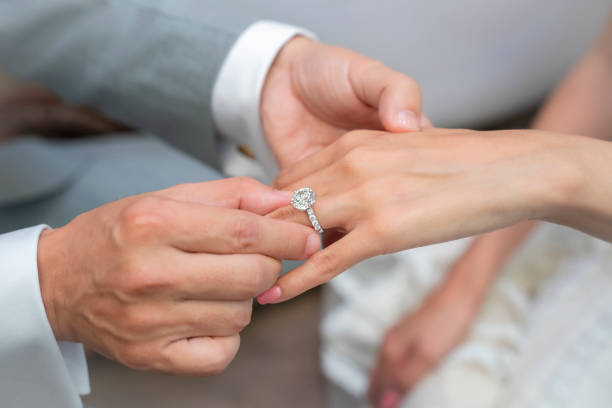
Wearing a ring at the engagement ceremony

When considering a 14 karat gold diamond ring, understanding the factors that influence its price is essential for making an informed purchase. A 14 karat gold diamond ring can range significantly in cost depending on numerous variables such as diamond quality, ring craftsmanship, and market trends.

What Does 14 Karat Gold Mean?

Gold purity is measured in karats (K), with 24K being pure gold. A 14 karat gold alloy contains 58. 3% pure gold, with the remainder made up of other metals like copper, silver, or nickel. This blend not only makes the metal more durable than higher-karat gold but also helps keep costs lower without sacrificing beauty.

Key Benefits of 14K Gold:
Durability:More resistant to scratches and wear compared to higher-karat options like 18K or 22K gold.
Affordability:Lower price point while maintaining a luxurious appearance.
Color Options:Available in yellow, white, and rose gold finishes to suit different preferences.

Cost Breakdown of a Typical 14 Karat Gold Diamond Ring

Component Approximate Price Range Key Considerations
Diamond $500 – $50,000+ Influenced by carat size, cut quality, color grade (D-Z), and clarity.
Gold Band $250 – $1,500 Depends on weight (grams), design complexity, and finish.
Jewelry Craftsmanship $100 – $2,000+ Intricate designs or custom settings increase cost significantly.
Certification & Branding $50 – $300 Rings from premium brands or certified diamonds may have higher pricing.

Factors That Add Value Beyond Materials

  1. Handmade or custom-designed rings are often more expensive but offer unique designs tailored to individual preferences.

  2. Rings featuring ethically sourced diamonds or recycled gold command higher prices due to their sustainability appeal.

  3. High-end jewelers with strong reputations tend to charge premiums for their craftsmanship and branding.

  4. Halo settings or pavé accents can elevate the overall aesthetic but require more intricate work.

Tips for Understanding Value vs Cost

  • Compare prices across multiple retailers while considering additional costs such as tax or shipping.
  • Check certifications for your diamond (e. g. , GIA or AGS) to verify its authenticity and grading.
  • Prioritize aspects that matter most to you—whether it’s carat size over intricate detailing or ethical sourcing over branding.

Key Factors Influencing the Price of 14 Karat Gold Diamond Rings at Jewelry Stores in Orange County CA

Below, we break down the key elements influencing these prices.

Cut, Clarity, Color, and Carat Weight.

  • Clarity: This measures internal flaws (inclusions) or external imperfections (blemishes). The fewer inclusions, the higher the clarity grade — and cost.
Diamond Attribute Value Impact Price Influence
Cut High Significant
Clarity Medium Moderate
Color Medium High for colorless stones
Carat Weight High Very Significant

The term “14 karat” indicates that out of 24 parts of metal, 14 parts are pure gold while the remaining 10 parts are alloy metals like silver or copper. This blend enhances durability while maintaining a high gold content.

  • Market Prices: The current market value of gold fluctuates daily based on global demand and supply.
  • Durability vs Purity: While 18k gold contains more pure gold, 14k strikes a balance between durability and affordability.

For instance:
– A plain 14k gold band typically costs less than customized designs with intricate craftsmanship.

  • Simple solitaire settings tend to be more affordable.
  • Intricate designs with multiple diamonds or unique detailing increase production time and cost.

Custom-designed rings may also incur additional charges for consultation and crafting.

Certified diamonds—those accompanied by grading reports from trusted entities like GIA or AGS—are priced higher because they assure authenticity and quality standards.

Similarly: – Rings from high-end luxury brands command premium prices due to their reputation for craftsmanship. – Generic rings can offer better value without compromising quality if sourced carefully.

Summary Checklist for Buyers

  1. Assess your budget and prioritize between diamond size, quality, or intricate design features.
  2. Choose certified diamonds for authenticity assurance.
  3. Compare prices across retailers or consider custom options for unique styles.
  4. Understand how metal blends like alloys impact durability versus cost efficiency.

By considering these factors carefully, you can find a ring that balances beauty, value, and personal significance effectively—ensuring it becomes a cherished investment symbolizing your special commitment.

The Role of Metal in Pricing

  1. A 14 karat gold ring contains 58. 3% pure gold, combined with other alloys for durability and color variation.
  2. While less expensive than 18 karat or 24 karat gold, it offers an excellent balance between cost, strength, and appearance.

  3. Yellow Gold: Classic and timeless, yellow gold is often slightly less expensive due to its traditional alloy mix.
  4. White Gold: Frequently higher in cost due to rhodium plating that adds shine and durability.
  5. Rose Gold: Contains copper alloys, which may make it more affordable but equally stylish.

  6. Durability vs Cost:
    14k gold provides greater resistance to scratches and wear compared to higher karats like 18k or 22k, making it a practical yet elegant choice for engagement rings.

Metal Type Composition (Pure Gold %) Durability Cost Range
14 Karat Gold 58.3% High Moderate
18 Karat Gold 75% Medium Higher
Platinum N/A Very High Significantly High
  1. Ideal cuts tend to command a premium price compared to good or fair cuts.

  2. Diamonds with fewer inclusions (blemishes) are more valuable.
  3. For a balance between quality and affordability, consider diamonds graded “VS1” or “VS2” on the GIA clarity scale.

  4. The closer a diamond is to being colorless (grades D-F), the higher its price.
  5. Slightly off-white diamonds (grades G-J) offer better value without sacrificing beauty when paired with yellow or rose gold settings.

  6. Larger carats increase costs exponentially rather than linearly.
  7. Opting for slightly below major milestones—like choosing a 0. 9-carat instead of a full carat—can save money without noticeable size differences.

The Impact of Combining Metal Choice & Diamond Quality

The interplay between metal type and diamond selection can significantly affect overall costs:
– Opting for white gold may complement colorless diamonds better but increases expenses due to rhodium plating upkeep. – Pairing near-colorless diamonds with rose or yellow gold can reduce costs without obvious differences in aesthetic appeal.

By carefully balancing both metal selection and diamond quality based on your preferences and budget, you can achieve an exquisite yet financially sensible engagement ring purchase that embodies timeless elegance.

The Role of 14 Karat Gold

Gold purity significantly influences the price of a ring. A 14 karat gold setting is made up of approximately 58. 3% pure gold, blended with other metals such as silver, copper, or zinc for durability. While it’s less expensive than higher-purity options like 18 karat or 24 karat gold, 14k gold is a popular choice for engagement rings due to its balance of affordability, durability, and beauty.

  • Yellow Gold:Retains a classic look with its warm hue.
  • White Gold:Achieved by alloying yellow gold with metals like nickel or palladium and often plated with rhodium for extra luster.
  • Rose Gold:Contains more copper alloys, giving it a romantic pinkish tone.

Each color option has subtle cost variations based on market demand and metal composition.

Diamond Quality: The Four Cs

Each “C” plays a role in pricing.

  1. Cut Quality:A well-cut diamond maximizes brilliance but may increase cost compared to diamonds with poor proportions.

  2. Color Grade:Diamonds closer to colorless (graded D-F) command higher prices than those in lower ranges (G-J), though near-colorless diamonds often still appear stunning at lower cost.

  3. Clarity Grade:Imperfections (inclusions) visible under magnification can reduce price significantly without affecting visual appeal to the naked eye.

*Prices vary depending on market trends and retailer markups.

Combining Metal Choice and Diamond Quality

  • Opting for white or rose gold settings may slightly increase price due to additional processing or alloy materials.
  • Pairing higher-purity diamonds (e. g. , flawless clarity or D-grade color) with moderately priced settings like yellow gold can help balance your total budget.
  • Conversely, prioritizing intricate designs in the metal setting could make sense if you choose an affordable diamond option such as one under one carat or in the near-colorless range (G-H).

By strategically balancing these elements based on personal preference and financial considerations, you can achieve both quality craftsmanship and value within your desired range while creating a timeless piece perfect for any engagement moment.

How Lab-Grown Diamonds Are Changing the Game for Jewelers in Orange County CA

Lab-grown diamonds have emerged as a popular and cost-effective alternative to traditionally mined diamonds. Their growing popularity has shifted the dynamics of the engagement ring market, particularly for 14 karat gold diamond rings. Understanding how lab-grown diamonds impact pricing can help buyers make more informed decisions.

What Are Lab-Grown Diamonds?

Cost Comparison: Mined vs.

One of the most significant influences lab-grown diamonds have on engagement ring costs is their pricing structure.30-50% lessthan mined diamonds of the same carat weight, cut, clarity, and color.

Diamond Type 1-Carat Price Range 2-Carat Price Range
Mined Diamond $4,000 – $8,000 $10,000 – $25,000
Lab-Grown Diamond $2,000 – $4,000 $5,000 – $12,500

This cost difference makes lab-grown options particularly appealing for couples working within a budget while still seeking excellent quality.
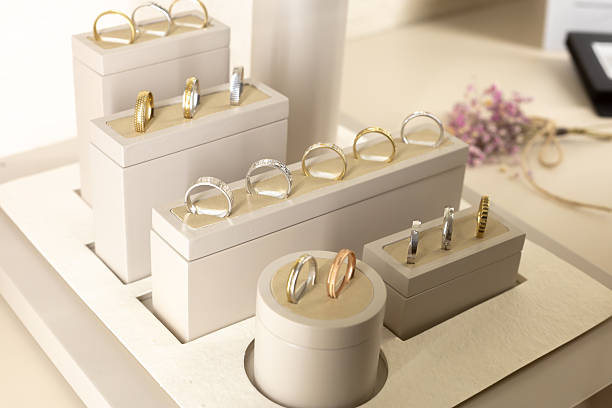
istockphoto-2232643594-612×612

Benefits of Choosing Lab-Grown Diamonds

  1. Affordability Without Sacrificing Quality
    Buyers can often purchase larger or higher-quality stones at a similar price point when opting for lab-grown diamonds compared to mined ones.

  2. Ethical and Sustainable Sourcing
    Lab-created options eliminate concerns surrounding conflict or “blood” diamonds and reduce the environmental impact associated with traditional mining practices.

  3. Customization Opportunities
    Because they are often less expensive than mined stones, buyers may have more flexibility when designing custom engagement rings by reallocating budget savings toward intricate settings or unique designs in 14k gold.

  4. Certifications and Grading
    Like natural diamonds, lab-grown varieties are graded by reputable gemology institutes such as IGI (International Gemological Institute) or GIA (Gemological Institute of America), ensuring transparency regarding quality.

How Lab-Grown Diamonds Affect 14 Karat Gold Ring Costs

For those considering a 14 karat gold setting—a popular choice due to its balance between durability and affordability—the inclusion of a lab-grown diamond can significantly lower overall costs without compromising on style or elegance.

  • Lower Center Stone Cost:Since the diamond typically accounts for the largest portion of an engagement ring’s price tag, choosing a lab-grown option allows you to save money while maintaining visual impact.
  • Reallocation of Budget:The savings from selecting a lab-created stone may allow you to upgrade your gold setting from basic designs to more intricate or customized styles.
  • Market Trends:As demand for sustainable products grows, many jewelers now offer competitive pricing on complete 14k gold ring settings paired with lab-created stones.

Key Takeaways for Buyers:

  • Compare prices between mined and lab-grown diamond options based on carat weight and quality.
  • Research jewelers that specialize in ethically sourced materials or sustainable practices.
  • Use savings from choosing a lab-grown diamond toward enhancements like pavé accents or personalized engravings on your ring band.

By considering these factors carefully during your search process, you can ensure that your final selection aligns with both your budgetary needs and personal values.

How Lab-Grown Diamonds Can Influence the Final Cost of Engagement Rings

Lab-grown diamonds have become an increasingly popular choice for engagement rings, offering a compelling alternative to traditional mined diamonds. These stones possess identical chemical, physical, and optical properties to natural diamonds but come at a significantly lower cost.

Advantages of Lab-Grown Diamonds in Engagement Rings

  1. Cost-Effectiveness
    Lab-grown diamonds are often 20–40% less expensive than mined diamonds of comparable quality and size.
  2. Choosing a more intricate or detailed 14k gold setting.
  3. Opting for a larger or higher-grade diamond within the same budget.

  4. Ethical Sourcing
    For eco-conscious buyers or those seeking conflict-free stones, lab-grown options provide peace of mind without sacrificing quality.

  5. Availability of High-Quality Options

Cost Comparison: Mined vs Lab-Grown Diamonds

Carat Size Mined Diamond (Estimated Price) Lab-Grown Diamond (Estimated Price)
0.50 carats $1,500 – $2,000 $800 – $1,200
1.00 carats $4,500 – $6,000 $2,500 – $3,800
2.00 carats $15,000 – $18,000 $7,000 – $10,000

Note: Prices may vary based on market fluctuations and vendor.

Additional Considerations When Choosing Lab-Grown Diamonds

  1. Resale Value
    While lab-grown diamonds are stunning alternatives to natural diamonds at a reduced cost upfront, their resale value tends to be lower since they’re not as rare as mined stones.

  2. Customization Options
    The money saved by choosing lab-grown can be redirected toward unique customizations such as:

  3. Halo settings
  4. Multi-stone designs
  5. Engravings on the band

  6. Environmental Benefits
    The production process for lab-created diamonds generally has a smaller environmental footprint compared to mining operations.

Pairing Lab-Grown Diamonds with 14 Karat Gold Settings

When paired with the classic appeal of 14 karat gold—a durable yet malleable blend containing approximately 58% pure gold—lab-grown diamonds shine brilliantly while keeping costs manageable. Buyers can choose from various gold tones: – Yellow Gold: Traditional and timeless. – White Gold: Sleek and contemporary. – Rose Gold: Romantic with a vintage charm.

The combination balances affordability and elegance without compromising durability or style.

Lab-grown diamonds represent an innovative way to create stunning engagement rings at more accessible price points while maintaining high quality and ethical standards.


Jewelry Stores

How Much Does an Engagement Ring Cost: A Guide by Jewelers in Orange County CA to Making the Right Purchase

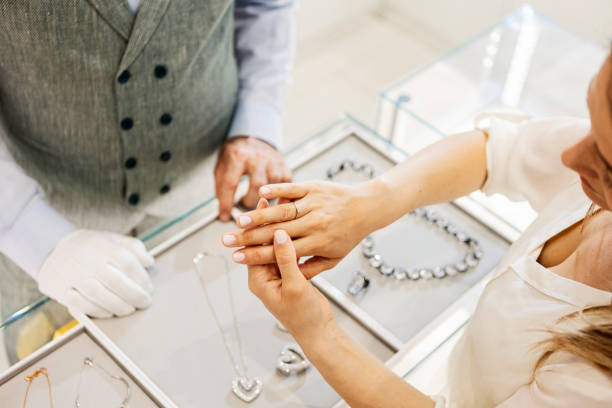
Young attractive woman trying on a diamond ring

The cost of an engagement ring can vary dramatically depending on several factors, such as the type of gemstone, the cut, and the metal used for the band. By understanding these elements and setting realistic expectations, you can approach this significant purchase with confidence. Here’s a detailed guide to help you navigate your decision.

Average Cost of an Engagement Ring

The average cost of an engagement ring in 2023 is approximately $5,500. However, prices can range from as low as $1,000 for a modest ring to over $50,000 for high-end designs with larger carat weights or premium features. It’s important to note that these figures are averages and not benchmarks—your ring should reflect your budget and personal preferences.

Price Range Description
$1,000 – $3,000 Simple designs with smaller carat diamonds or gemstones
$3,000 – $7,000 Mid-range rings featuring higher quality stones
$7,000+ Premium rings with larger diamonds or intricate designs

Factors That Affect the Price of an Engagement Ring

  • Diamond Quality: The price is influenced by the 4Cs—Cut, Clarity, Carat weight, and Color. Higher grades in any of these categories result in a more expensive diamond.
  • Metal Choice: Platinum is generally more costly than gold or white gold due to its durability and rarity.
  • Ring Setting: Intricate settings with pavé diamonds or halo designs tend to be pricier than simpler solitaire settings.
  • Customization Options: Choosing custom designs or engravings typically increases costs.
  • Brand Name: Renowned jewelers may charge a premium for their craftsmanship and reputation.

Breaking Down Costs

  1. Gemstone (Center Stone): Often accounts for 60%–70% of the total cost.
  2. Band/Metal: Typically comprises about 15%–20% of the total price.
  3. Labor/Setting: The craftsmanship required to create intricate settings might add another 10%-15%.
  4. Additional Features: Items like side stones or engravings may increase overall expenses.

Tips for Managing Your Budget

Finding a beautiful engagement ring doesn’t mean you need to overspend.

  • Set a firm budget ahead of time and stick to it.
  • Consider lab-grown diamonds—they offer identical brilliance at lower prices compared to mined diamonds.
  • Opt for slightly lower grades in color (e. g. , G-H) or clarity (VS1-VS2) while still maintaining visual appeal.
  • Choose non-traditional gemstones like sapphires or moissanite that provide unique alternatives at lower costs.

Is There a Rule About How Much You Should Spend?

Traditionally, it was suggested that one should spend two-to-three months’ salary on an engagement ring. However, this guideline is outdated and unnecessary in modern times.

  • Focus on what feels financially comfortable based on your personal circumstances.
  • Take into account future expenses like wedding costs or shared financial goals as a couple.

An engagement ring symbolizes love—not financial strain—so prioritize thoughtfulness over adhering to arbitrary “rules.

By understanding how much engagement rings typically cost and what drives their pricing variations, you’ll be well-prepared to choose one that aligns perfectly with your partner’s style while staying within your budget limits.

Tips for Determining Your Budget for an Engagement Ring: A Guide to Jewelry in Orange County CA

A well-thought-out budget not only ensures a financially responsible purchase but also helps narrow down the options, making the process smoother and more enjoyable. Below are several tips and strategies to help you decide on a budget that feels meaningful yet manageable.

Before setting a budget, take a close look at your current financial position.
– What is my monthly income after taxes?
– What are my recurring expenses (rent/mortgage, bills, groceries)?
– How much do I currently have in savings?

By assessing your finances, you can determine how much you can comfortably spend without burdening yourself with unnecessary debt.

Traditionally, advertisers have promoted the idea that an engagement ring should cost three months’ salary. However, this outdated rule isn’t practical for everyone. Instead of adhering to such guidelines, focus on what feels right for you and your partner’s circumstances.

When working within a certain budget range, it’s essential to prioritize what matters most in an engagement ring. A smaller diamond with excellent cut quality often has far more brilliance and sparkle than a larger diamond with poor characteristics.

Key Diamond Qualities to Focus On:
Cut: The most important factor for sparkle (avoid compromising here).
Color: Opt for near-colorless (G-H) diamonds to balance price and appearance.
Clarity: Choose “eye-clean” stones rather than going for flawless clarity grades.

Decide Between Custom vs. Pre-Made

Custom-designed rings may provide more personalization but can sometimes come at a higher cost due to bespoke craftsmanship or specialty materials. Pre-made rings are often more affordable while still offering stunning designs.

Ring Type Pros Cons Average Cost
Custom Design Unique and personalized Higher price due to labor/materials Starting at $3K-$10K+
Pre-Made Rings Available immediately; affordable Limited personalization options Starting at $1K-$6K
  • Look into financing plans offered by jewelers.
  • Use credit cards sparingly and ensure low-interest rates.
  • Save over time before purchasing instead of rushing into debt.

Always read terms carefully when considering financing options.

In addition to the diamond itself or the setting design:
– Factor in sales tax (based on location).
– Consider hidden costs like resizing fees or warranty services.

If you allocate $4,000 for the ring itself but face an additional $400 in taxes/warranties combined—you could exceed your intended spending limit without proper planning.

By adopting these strategies and balancing thoughtful decision-making with financial responsibility during this process—your chosen ring will feel both meaningful AND realistic amidst any expectations society places upon purchasing milestones like engagement rings

Smart Budgeting Tips for Engagement Rings at Jewelry Stores in Orange County CA

Choosing an engagement ring is a deeply personal and significant decision, but it’s also a financial choice that requires careful planning. Setting a budget ensures you make a meaningful purchase without straining your finances.

Before deciding on a budget, take an honest look at your current financial situation.
Income: What is your monthly income, and how much of it can you comfortably allocate toward the ring?
Savings: Do you have existing savings that could contribute to this purchase?
Debt: Are there any outstanding loans or credit obligations that might affect your spending capacity?

Being realistic about your finances will help you avoid overextending yourself while still finding the perfect ring.

You may have heard traditional rules like “spend two or three months’ salary on an engagement ring. ” While such guidelines can be helpful starting points, they are not one-size-fits-all rules. Instead of following arbitrary formulas, consider what feels appropriate for your unique circumstances.

If possible, discuss expectations about the ring with your partner beforehand. Having an open conversation helps align preferences within a reasonable budget range and ensures that emotional value outweighs material cost.
– Preferred size or type of gemstone (e. g. , diamond or alternatives).
– Metal choices for the band (e. g. , platinum, gold).
– Desire for custom designs or brand names versus simplicity.

Expense Category Details
Ring setting The design and craftsmanship involved in setting gemstones in place (prongs, halo settings, etc.).
Certification Diamond certification from labs like GIA or AGS adds credibility but may involve extra fees.
Insurance Insuring such a valuable item provides peace of mind but comes at additional cost annually.

Take these into account when finalizing how much you’re willing to spend.

If paying upfront isn’t feasible, some jewelers offer financing or payment plans to spread costs over time. When considering financing options: – Compare interest rates across providers. – Opt for no-interest promotional plans if available. – Stay cautious about overspending due to deferred payments.

Even within strict budgets, it’s possible to find excellent options by prioritizing value over size or certifications: – Opt for slightly smaller carat weights(e. g. , 0. 9 carats instead of 1 carat) – these often appear similar but cost significantly less.Choose lower clarity grades where imperfections are invisible to the naked eye(VS2-SI1 range is usually ideal).
– Consider alternative gemstones like sapphires or lab-grown diamonds as affordable yet beautiful substitutes.

By taking time to plan thoughtfully within financial boundaries and communicating openly with your partner where needed, this process becomes less stressful while ensuring emotional significance remains intact throughout decision-making stages.

Factors Influencing the Cost of Engagement Rings in Orange County CA: What You Should Consider Before Buying

When shopping for a diamond engagement ring, understanding the factors that influence its cost is essential for making an informed and meaningful purchase.

  • Color: Diamonds are graded on a color scale ranging from D (colorless) to Z (light yellow or brown).
  • ClarityFlawless diamonds command higher prices than those with visible inclusions.
  • Carat Weight: Larger diamonds with higher carat weights tend to be more expensive due to their rarity.
Quality Factor Impact on Cost Key Consideration
Cut High Prioritize brilliance over size
Color Moderate Opt for near-colorless (G-H range) for value
Clarity High Choose eye-clean stones to balance cost
Carat Weight High Consider size alongside other Cs

The ring’s setting is another critical factor in determining its overall cost.

  • Solitaire: A single stone on a simple band; timeless yet affordable due to minimal use of additional materials.
  • Halo: Features smaller diamonds encircling the center stone; adds sparkle but increases costs.
  • Pave: Tiny diamonds embedded along the band; elegant but labor-intensive, contributing to higher prices.
  • Three-Stone: Includes two smaller stones flanking the center diamond; generally costs more than solitaire styles.

Each setting style caters to different design preferences and budgets.

  • Platinumis durable and hypoallergenic but comes at a higher price point.
  • Gold(available in yellow, white, or rose) is versatile and comes in varying levels of purity (e. g. , 14K or 18K), making it more budget-friendly than platinum.

Opting for alternative metals like palladium or titanium may provide durability at lower costs.

Diamonds come in various shapes such as round, princess, oval, cushion, pear, and emerald cuts. Round brilliant cuts are often priced higher due to their popularity and high demand. Other shapes like cushion or oval may offer similar sparkle at slightly lower prices per carat.

Always ensure your chosen diamond has been certified by reputable organizations such as GIA (Gemological Institute of America) or AGS (American Gem Society). Certified diamonds typically cost more but guarantee quality assurance through professional grading reports.

Ethical considerations can also impact costs.

  • Natural Diamonds: Mined directly from Earth; generally pricier due to extraction processes.
  • Lab-Grown Diamonds: Created in controlled environments; often less expensive while offering similar physical properties.

Final Thoughts

When purchasing an engagement ring, balancing these factors against your budget is key.

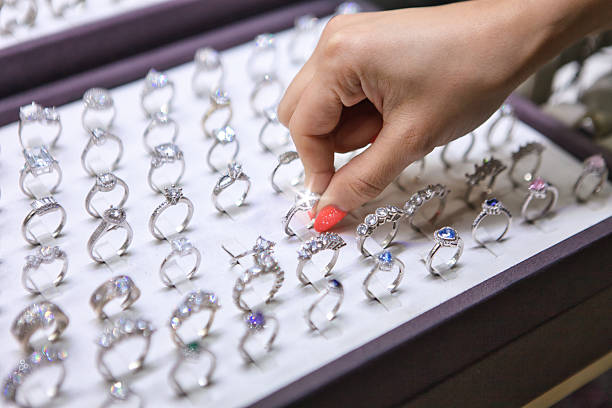
The woman picking a diamond ring at jewellery store, close-up.

Choosing the Right Diamond Engagement Ring for Your Partner: A Step-by-Step Guide

With a wide variety of options available, ensuring your choice aligns with your partner’s preferences and lifestyle can make all the difference. This guide provides a structured approach to help you navigate the process with confidence.

Step 1: Understand Your Partner’s Style

Before making any decisions, take time to learn about your partner’s style and preferences.

  • Jewelry Preferences
    Does your partner prefer gold, silver, or platinum? Look at their existing jewelry to understand their preferred metal type.

  • Style and Aesthetic
    Are they drawn to minimalist designs, vintage styles, or bold and modern looks? A glance at their wardrobe and accessories might provide clues.

  • Ring Shape Preferences
    Engage in casual conversations about rings or ask close friends/family members for input on whether they like round, oval, princess-cut, or other shapes.

Step 2: Consider Lifestyle

The practicality of wearing an engagement ring daily should match your partner’s lifestyle.

  • Activity Level
    If they have an active lifestyle or work in environments where hands are frequently used (e. g. , medical professionals), opt for durable settings like bezel or channel-set diamonds that offer better protection.

  • Comfort
    For individuals who prefer subtle jewelry or who work with their hands often, a sleek and low-profile design may be better than a taller prong setting.

Lifestyle Factor Recommended Choice
Active/Outdoor Durable metals such as platinum
Minimalist/Comfortable Low-set diamond designs
Glamorous/Formal Larger stones with intricate details

Step 3: Know the Four Cs of Diamonds

When choosing a diamond engagement ring, remember the Four Cs:

  1. Carat Weight
    Larger carats are more expensive but may not always be necessary for aesthetic impact.

  2. Cut
    Popular cuts include round brilliant, cushion cut, and emerald cut.

  3. Clarity
    Assesses imperfections within the stone (inclusions). Higher clarity ensures fewer visible flaws but tends to increase cost.

  4. Color
    Ranges from colorless (graded D) to noticeable yellow hues (graded Z). Near-colorless diamonds (G-H) often offer great value without compromising appearance.

Step 4: Select a Setting That Enhances Beauty

  • Prong Settings:Classic choice that maximizes diamond visibility.
  • Halo Settings:Surrounds the center stone with smaller diamonds for added sparkle.
  • Bezel Settings:Encircles the stone with metal for extra durability.
  • Three-Stone Rings:Symbolizes past, present, and future—a meaningful option for sentimental couples.

Step 5: Include Personalization

  • Engrave initials or a meaningful date inside the band.
  • Include gemstones alongside diamonds that hold sentimental value.
  • Opt for custom designs that reflect shared memories or unique aspects of your relationship.

Choosing an engagement ring is as much about thoughtfulness as it is about aesthetics. By focusing on what resonates most with your partner’s personality and lifestyle while balancing quality considerations like cut, clarity, color, and carat weight, you can create an enduring symbol of love that speaks volumes without words.

Alternatives to Traditional Diamond Engagement Rings: Unique and Modern Options to Consider

While traditional diamond engagement rings are often seen as the go-to choice, many couples today are exploring alternative options that reflect individuality, modern tastes, and sustainability. Let’s delve into some creative and meaningful alternatives to traditional diamond engagement rings.

Gemstones offer a vibrant and unique way to mark your commitment. Each stone carries its own symbolism, allowing you to personalize your ring further.

  • Sapphires: Known for their durability and rich hues, sapphires (typically blue but available in many colors) symbolize loyalty and trust.
  • Emeralds: With their stunning green color, emeralds evoke love, growth, and harmony.
  • Rubies: Representing passion and strength, rubies make an enduring statement of love.
  • Aquamarine or Morganite: These softer-colored stones provide a delicate yet distinctive look at a more affordable price point.
Gemstone Symbolism Durability (Mohs Scale) Price Range*
Sapphire Loyalty & Trust 9 Moderate – High
Emerald Love & Growth 7.5 – 8 High
Ruby Passion & Strength 9 Moderate – High
Morganite Romance & Feminine Energy 7.5 – 8 Affordable

*Price ranges vary based on quality, size, and source.

Key benefits of lab-grown diamonds: – More affordable than mined diamonds (often up to 30%-40% less expensive).
– Environmentally friendly with less environmental degradation caused by mining practices. – Availability in various shapes and sizes without compromising quality.

For couples who appreciate history and timeless design, vintage or antique rings present an elegant option:
– Look for Art Deco, Victorian, or Edwardian-era rings for unique craftsmanship. – Buying antique reduces the demand for new resources while offering one-of-a-kind designs. – Often more affordable depending on the era and materials used.

Rings made from non-traditional materials can give you a modern aesthetic while maintaining durability:
Moissanite: A sparkling alternative that mimics a diamond’s beauty but is significantly more affordable.
Colored Metals: Rose gold or black titanium rings offer chic alternatives to classic yellow or white gold.
Wood or Meteorite Accents: For nature enthusiasts or those seeking something unconventional yet meaningful.

Benefits of Exploring Alternative Options

  1. Cost-effectiveness compared to traditional diamonds.
  2. A chance to embrace sustainability by opting for eco-friendly materials.
  3. The ability to showcase individuality by choosing distinctive designs that resonate personally.

When choosing an alternative engagement ring style, consider your partner’s preferences as well as practical factors like durability for everyday wear. By venturing beyond tradition, you can create a symbol of commitment that feels both fresh and meaningful while standing out in its uniqueness.

Jewelry Stores

The Essential Guide for Couples: How Jewelers in Orange County CA Can Help You Choose the Perfect Engagement Ring

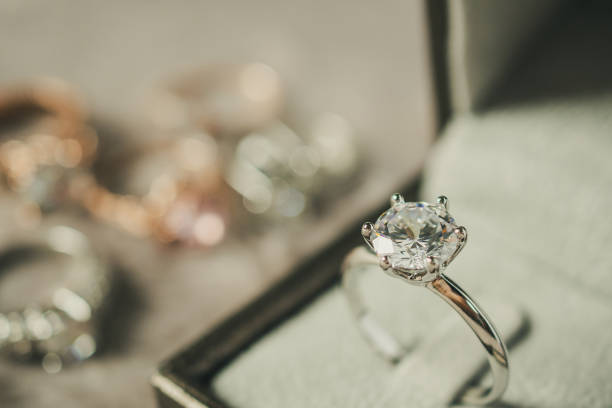
luxury engagement Diamond ring in jewelry gift box

Deciding how much to spend on an engagement ring can feel like a daunting task, particularly with many societal expectations and traditions influencing the process. However, it’s essential to base your decision on personal financial realities and priorities as a couple rather than external pressures. Below is a practical guide to help you determine the appropriate budget for your engagement ring.

Breaking the Myth: How Much to Spend on Engagement Rings in Orange County CA

For decades, a common rule of thumb suggested spending three months’ salary on an engagement ring. While this might work for some, it is not a hard-and-fast rule that couples need to follow. Financial circumstances vary widely, and what matters most is finding a balance between investing in meaningful jewelry and maintaining financial stability.

Factors to consider when determining your budget:
Income Level: Assess your monthly income and living expenses before committing to any amount.
Debt Obligations: Consider student loans, credit card balances, and other debts you are carrying.
Future Expenses: Think about upcoming financial goals like saving for a wedding, buying a home, or starting a family.

Setting Your Budget: What Works for You?

  1. Have an open conversation with your partner about expectations regarding the style and importance of the ring.
  2. Discuss whether both parties value investing in traditional diamond rings or exploring alternatives like lab-grown diamonds or gemstones.

  3. Familiarize yourself with the average cost of engagement rings in your region or online marketplaces.
  4. On average, engagement rings can range anywhere from $1,000 to $10,000+, depending on factors like carat size and setting complexity.

  5. Marketing campaigns often emphasize sentimentality over practicality when purchasing engagement jewelry.
  6. Stick firmly to what you can realistically afford rather than overspending due to societal pressure.

Smart Ways to Maximize Value Without Overspending

  • Focus on Cut Over Carat Weight: The cut has the most significant impact on sparkle; prioritize cut quality over carat size if needed.
  • Consider Lab-Grown Diamonds: These offer identical visual appeal at 30%-50% lower costs compared to mined diamonds.
  • Opt for Halo Settings: Halo designs create the illusion of bigger center stones without requiring larger carats.
  • Explore Different Shapes: Non-round diamond shapes (e.g., oval or pear) tend to cost less per carat while still offering unique looks.
Shape Average Cost/Carat* Popularity
Round Highest Most Popular
Oval Moderate Increasing
Emerald Lower Classic

(*Costs vary based on overall quality.)

Final Thoughts

When deciding how much you should spend on an engagement ring, remember that there is no universal formula—it’s all about what works best for you as a couple. Focus not only on affordability but also personal meaning behind this symbol of commitment.

Choosing Quality Diamond Engagement Rings: Exploring Jewelry in Orange County CA

Purchasing an engagement ring is one of the most significant decisions a couple makes, and understanding the 4 Cs—Cut, Color, Clarity, and Carat—is vital to making an informed choice. These four characteristics serve as a universal standard for evaluating diamond quality and ensuring that your purchase aligns with your preferences and budget. Prioritizing quality over size or quantity can enhance the beauty and longevity of your diamond.

1. Cut: The Most Critical Factor

The cut of a diamond dramatically impacts its brilliance and sparkle. A well-cut diamond reflects light beautifully, creating that iconic shimmer.

  • Excellent: Maximum brilliance, ideal for showcasing fire and reflection.
  • Very Good: High-quality sparkle at a slightly lower price point.
  • Good/Fair: Less reflective but may fit tighter budgets.
  • Importance: Even with higher carat weight or clarity, a poorly cut diamond will lack brilliance.

2. Color: Striving for Near-Colorless Perfection

Diamonds are graded on their absence of color, ranging from D (completely colorless) to Z (noticeable yellowish tint).

Grade Description
D-F Colorless
G-J Near-colorless
K-M Faint Yellow Tint
  • Tip: Opting for near-colorless diamonds (e.g., G-H) offers great value while maintaining visual appeal.

3. Clarity: Evaluating Flaws and Imperfections

Clarity measures the presence of inclusions (internal flaws) or blemishes (external flaws). Most inclusions are invisible to the naked eye but can affect a diamond’s structural integrity.

  • Flawless (FL): No visible inclusions under magnification.
  • Internally Flawless (IF): Minor surface blemishes only.
  • Very Slightly Included (VVS1-VVS2): Difficult-to-see imperfections.
  • Slightly Included/Included (SI-I): Some visible flaws that may impact appearance.

4. Carat Weight: Finding Balance Between Size and Budget

Carat refers to the weight of the diamond rather than its size alone. While larger diamonds are often considered more desirable, other factors like cut should not be overlooked.

  • Consider “magic weights” such as just under full-carat marks (e.g., 0.9 instead of 1 carat) for significant cost savings without noticeable size differences.

Choosing Quality Over Quantity

Though it’s tempting to prioritize size or carat weight, focusing on quality ensures that your diamond offers maximum beauty regardless of its physical dimensions. A smaller well-cut stone often outshines a larger poorly cut one.

  • Focus on Cut first—it has the most visual impact on your ring’s appearance.
  • Choose near-colorless grades if you’re looking for balance between cost-saving and aesthetic value.
  • Don’t over-prioritize clarity; many inclusions are invisible in everyday wear.

Making Smart Trade-Offs

  1. Prioritize what matters most to you—sparkle (cut), perceived size (carat), or clarity/color balance.
  2. Work with trusted jewelers who offer certification from reputable labs like GIA or AGS to ensure authenticity.

Understanding these fundamentals will help you navigate options confidently while honoring both your style preferences and financial guidelines effectively.

Discover Top Engagement Ring Designs at Jewelry Stores in Orange County CA

When choosing an engagement ring, the design and setting are just as important as the diamond or gemstone itself. The setting not only secures the center stone but also plays a significant role in defining the overall style of the ring. From timeless classics to modern trends, there are numerous options to suit every taste. Below is a comprehensive look at popular engagement ring settings and design choices to help you find one that resonates with your personal style.

Popular Engagement Ring Settings

  • Features metal prongs (usually four or six) that hold the center stone in place.
  • Maximizes light exposure for enhanced brilliance.
  • Works well with various diamond cuts such as round, oval, or princess.

  • Encircles the center stone with a thin metal rim for added protection.
  • Offers a sleek and modern aesthetic.
  • Ideal for active individuals due to its durability.

  • Surrounds the center stone with smaller diamonds or gemstones.
  • Creates an illusion of a larger centerpiece.
  • Adds extra sparkle and works well with vintage-inspired designs.

  • Features small diamonds embedded along the band for continuous sparkle.
  • Often paired with other settings like prong or halo for added elegance.
  • Best suited for those who love intricate detailing.

  • Incorporates two side stones flanking a central diamond or gemstone.
  • Symbolizes past, present, and future—ideal for sentimental couples.
  • Offers versatility in combining different stones and shapes.

Matching Design Choices to Your Style

Style Preference Recommended Design Elements
Classic & Timeless Solitaire setting, simple bands, round-cut diamonds
Vintage-Inspired Milgrain details, floral designs, cushion-cut stones
Modern & Minimal Sleek bezel settings, geometric shapes
Bold & Glamorous Double halo settings, colored gemstones
Nature-Inspired Leaf motifs, organic lines

Mixing Metal Options

  • Platinum: Known for its durability and hypoallergenic properties; ideal for those seeking longevity.
  • White Gold: Offers affordability while maintaining a bright white finish similar to platinum.
  • Yellow Gold: A classic choice with warm tones perfect for vintage styles.
  • Rose Gold: Provides romantic pink hues that pair beautifully with both diamonds and colored stones.

Considering Lifestyle When Choosing Designs

  • If you have an active lifestyle or work frequently with your hands (e.g., healthcare professionals), consider durable designs like bezel settings or lower-set prongs to minimize wear-and-tear risks.

  • Opting for simpler bands without pavé stones may make cleaning easier while enhancing long-term wearability.

Final Thoughts on Finding Your Perfect Match

The setting and design of an engagement ring are deeply personal choices that should reflect not only current trends but also timeless qualities. By understanding popular settings like prong, halo, or bezel alongside customizable elements such as metals and gemstones, couples can create rings tailored uniquely to them—ensuring both quality craftsmanship and emotional significance throughout their journey together.

Lab-Grown Diamonds: A Budget-Friendly and Ethical Choice for Your Engagement Ring

When considering an engagement ring, more couples are turning to lab-grown diamonds as a modern, ethical, and cost-effective option. These stones have revolutionized the jewelry industry, offering the same stunning beauty as natural diamonds without the hefty price tag or environmental concerns. Below is a detailed look at why lab-grown diamonds are worth considering.

What Are Lab-Grown Diamonds?

Lab-grown diamonds are created in a controlled laboratory environment using advanced technology that replicates the natural diamond-growing process. They possess the same physical, chemical, and optical properties as mined diamonds and are virtually indistinguishable to the naked eye.

Key points about lab-grown diamonds:
Composition: Exactly the same as natural diamonds (pure carbon crystallized in an isometric structure).
Certification: Lab-grown diamonds can be certified by reputable organizations such as GIA (Gemological Institute of America) or IGI (International Gemological Institute).
Durability: Just like natural diamonds, they score a 10 on Mohs hardness scale.

Benefits of Choosing Lab-Grown Diamonds

  1. Cost-Effectiveness
    One of the most persuasive reasons to opt for lab-grown stones is their affordability. On average, they cost 30% to 50% less than mined diamonds of comparable size and quality. This price difference allows couples to allocate their budget toward other important expenses like wedding planning or even selecting a larger stone without overspending.

  2. Ethical Considerations
    Many consumers worry about conflict or “blood” diamonds sourced through unethical mining practices in war-torn regions. Lab-created stones provide peace of mind by offering a conflict-free guarantee with complete transparency about sourcing.

  3. Eco-Friendly Option
    Traditional diamond mining is associated with significant environmental impact, such as habitat destruction and carbon emissions from heavy machinery usage. In contrast:

  4. Lab-grown production requires far less land disruption.
  5. Advanced facilities often incorporate renewable energy into their processes.

  6. Customization Options
    Because they’re produced within controlled environments, it’s easier to create lab-made diamonds in unique cuts, colors, and carat sizes tailored specifically to your vision for an engagement ring.

How Do Lab-Grown Diamonds Compare?

Feature Lab-Grown Diamond Natural Diamond
Cost ~30%-50% less expensive Higher price per carat
Ethical Concerns Fully traceable; conflict-free Risk of unclear sourcing
Environmental Impact Low environmental footprint Mining can disrupt ecosystems
Customization Easier to produce various options Limited by nature’s availability

Common Misconceptions About Lab-Grown Diamonds

  1. “They’re fake or not real.”

    • Truth: Lab-grown stones are not synthetic imitations like cubic zirconia; they are authentic diamonds created under scientific precision.
  2. “They won’t hold value.”

    • Truth: While resale value of both types varies based on market demand, many buyers prioritize emotional rather than monetary value when choosing an engagement ring.
  3. “They look different from mined diamonds.”

    • Truth: Even experts often need specialized equipment to distinguish between lab-created and mined gems.

Is It Right for You?

Lab-grown diamonds strike a balance between luxury and practicality while aligning with modern values around sustainability and ethics. They allow couples to invest in long-lasting beauty without compromising on quality or contributing to harmful practices in traditional mining industries.

For couples seeking elegance with conscious decisions, lab-created stones provide an excellent way to symbolize love while embracing innovation and responsibility—proving that brilliance doesn’t always come at nature’s expense.

Alternative Metals and Gemstones: Unique Options Beyond Traditional Diamonds

When choosing an engagement ring, traditional diamonds often take center stage. However, couples today are increasingly exploring alternative metals and gemstones to create unique, personalized, and meaningful rings that reflect their individuality and values. Here’s a guide to some of the most popular alternatives.

Popular Alternative Metals for Engagement Rings

  • Platinum: A luxurious choice known for its strength and hypoallergenic properties. While pricier than gold, it is highly durable and resistant to tarnishing.
  • Palladium: Similar to platinum in appearance but lighter in weight and often more affordable. It’s also hypoallergenic, making it suitable for sensitive skin.
  • Rose Gold: Made by alloying gold with copper, this metal has a romantic pink hue that complements vintage or modern designs alike.
  • Titanium: Lightweight but incredibly strong, titanium is perfect for active individuals who need a hard-wearing option at a reasonable price point.
  • Tungsten: Known for its scratch resistance and deep gray finish, tungsten is both contemporary and durable.

Unique Gemstone Alternatives to Diamonds

  1. A lab-created stone with brilliance comparable to diamonds but at a fraction of the cost.
  2. Eco-friendly due to its synthetic production process.
  3. Rates 9.25 on the Mohs scale of hardness, making it highly durable.

  4. Available in an array of colors beyond the classic blue (e.g., pink, yellow, green).
  5. Symbolizes loyalty and wisdom.
  6. Extremely durable with a Mohs hardness rating of 9.

  7. A striking green gemstone that represents love and rebirth.
  8. Softer than diamonds (Mohs hardness of 7.5–8), requiring careful handling.
  9. Natural inclusions (or “jardin”) contribute to their unique appearance.

  10. Known as the “stone of passion,” rubies are prized for their rich red hues.
  11. Highly durable (Mohs hardness of 9) and versatile in various ring styles.

  12. A pale blue gemstone that evokes calmness and serenity.
  13. Affordable compared to traditional stones.
  14. Less hard (Mohs hardness of 7–8) but still suitable for everyday wear with proper care.

  15. Famous for their iridescent play-of-color effect.
  16. Unique patterns make each opal one-of-a-kind.
  17. Softer than most gemstones (Mohs hardness of 5–6), requiring protective settings.

Comparison Table: Alternative Metals vs Traditional Options

Metal/Gemstone Durability Affordability Ethical Considerations Unique Features
Platinum Very High Expensive Often ethically sourced Hypoallergenic; classic shine
Titanium Very High Affordable Widely available Lightweight; modern appeal
Moissanite High Affordable Lab-grown Brilliant sparkle; diamond-like
Sapphires High Moderate Available in ethical sources Variety of colors; symbolic meaning
Emeralds Moderate Expensive Potential ethical concerns Vivid green color; elegant appeal

Why Choose Alternatives?

Couples may choose alternative metals or gemstones over traditional diamonds for several reasons:
Personal Style: Non-traditional rings allow you to express your individuality through unique materials or designs.
Cost Efficiency: Many alternatives offer stunning aesthetics without exceeding your budget.
Ethical & Environmental Values: Lab-grown gems like moissanite or sustainably sourced materials provide peace of mind regarding environmental impact or labor practices.

By considering these options carefully, you can create an engagement ring that not only captures your love story but also aligns with your lifestyle needs and values.

Jewelry Store.

Engagement Ring Shopping Tips for Couples: Making the Moment Memorable Together

Shopping for an engagement ring is a once-in-a-lifetime experience for most couples, and it’s not just about picking the right ring—it’s about creating a shared memory. The process can feel overwhelming with so many options available, but with thoughtful planning and collaboration, it can become an enjoyable and meaningful journey.

Establish a Budget Together

Before stepping into a jewelry store or browsing online, it’s essential to establish a budget together. This ensures both partners are on the same page financially and helps narrow down realistic options.

  • Discuss your financial situation: Set realistic expectations based on what makes sense for your lifestyle.
  • Decide on flexibility: Are you willing to stretch the budget slightly if you find something spectacular?
  • Consider future expenses: Remember that wedding costs, future plans, or other big commitments might influence how much you want to spend on the ring.
Element Approximate Percentage of Budget
Center Stone (Diamond/Gem) 70–80%
Setting/Metal 15–20%
Customization/Engraving 5–10%

Understand Each Other’s Preferences

  • Style preferences: Does one partner prefer vintage inspiration or modern minimalism?
  • Metal choices: White gold, yellow gold, platinum, or alternative metals like titanium?
  • Gemstone preferences: Is the focus on diamonds or other gemstones like sapphires or emeralds?

If one partner wants to keep the proposal a surprise but still ensure they choose something their significant other will love, consider these ideas:
– Browse their Pinterest boards or social media posts for hints.
– Ask close friends or family members who know their tastes well.

Shop Together – Or Collaborate Subtly

Benefits of Ring Shopping Together: 1. Eliminates uncertainty about design and fit. 2. Encourages open communication about shared financial goals. 3. Makes the process more collaborative and enjoyable.

For those who prefer surprises but want guidance: 1. Visit jewelers together under the guise of “just looking” while noting what catches your partner’s eye. 2. Work with a jeweler who allows easy exchanges post-purchase in case adjustments are needed.

Research Jewelers in Advance

Choosing where to shop is as important as deciding what to buy: – Look for jewelers with excellent reviews and certifications (e.g., GIA-certified diamonds).
– Consider stores offering customization services if you’re designing something unique together. – Compare warranties and return policies across retailers.

Don’t hesitate to ask questions when visiting stores: 1. What warranty comes with this ring? 2. Do you offer resizing services? 3. Are there upgrade programs available for future purchases?

Make It a Shared Experience

Beyond buying a ring, make this milestone part of your love story: 1. Plan special outings around shopping trips—like dinner at your favorite restaurant afterward. 2. Document memories by snapping photos during your visits (if allowed). 3. Celebrate milestones in the process—finding “the one” shouldn’t feel like just another errand.

By approaching engagement ring shopping as partners rather than individuals, you’ll create not just a symbol of commitment but also cherished memories leading into this exciting new chapter of life together.

The Complete Guide to Planning for Wedding Bands Alongside Your Engagement Ring

Planning for wedding bands alongside your engagement ring is an essential step in creating a cohesive and meaningful bridal set. By considering both pieces at the same time, you ensure that your rings complement each other in both style and symbolism. Here’s a complete guide to help you make informed decisions during this process.

Why Plan Wedding Bands and Engagement Rings Together?

  • Harmonious Design: Buying or designing both the engagement ring and wedding band together ensures they match perfectly, especially if you’re opting for uniquely shaped or custom-designed rings.
  • Budget Considerations: Planning ahead allows couples to budget effectively for both pieces rather than being surprised by the cost of the wedding band later.
  • Symbolic Unity: Wedding bands are often viewed as a continuation of the engagement ring’s story. Cohesive planning strengthens this connection.

Factors to Consider When Choosing Wedding Bands

  1. If the engagement ring has intricate detailing like pavé or milgrain, choose a band that complements rather than overpowers it.
  2. For modern solitaire diamond rings, opt for sleek and simple bands to maintain a minimalist aesthetic.

  3. Match the metal of your engagement ring and wedding band (e.g., platinum with platinum, gold with gold) to ensure uniformity.
  4. Mixing metals can work but requires careful thought about contrast and design balance.

  5. Certain engagement rings may sit higher or lower on your finger, affecting how closely the wedding band fits against it.
  6. Contoured or curved bands may be necessary if your engagement ring has a unique shape.

  7. Assess whether stackable designs, thicker bands, or ornate styles will feel comfortable for daily wear.
  8. Choose hypoallergenic metals if you have sensitive skin (e.g., platinum).

Popular Wedding Band Styles

Style Description Best Suited For
Classic Plain Band A simple metal band with no embellishments Timeless Elegance
Eternity Band Diamonds or gemstones encircle the entire circumference of the band Symbolism of Everlasting Love
Half-Eternity Band Stones cover only half of the band’s surface Elegant yet Practical
Curved/Contour Band Designed to fit snugly around an unconventional-shaped engagement ring Unique Ring Pairings
Vintage-Inspired Features ornate details like filigree or engraving Antique or Romantic Styles

Should You Match Bands as a Couple?

While some couples prefer matching wedding bands as a symbol of unity, others choose individual designs that reflect personal tastes. Key considerations include:
– Similar metal types for consistency. – Incorporating shared elements such as engraving meaningful dates, quotes, or symbols inside both bands.

Customizing Your Bridal Set

Customizing ensures your wedding band is designed specifically to pair with your unique engagement ring:
– Work with jewelers who specialize in custom designs. – Share inspiration photos and details about your lifestyle preferences (active wearer vs. occasional wearer). – Experiment with diamond accents, colored gemstones, or mixed metals tailored to reflect shared values or aesthetics.

Timing Matters

It’s recommended to plan for your wedding band several months before the ceremony: – Timeline: Custom orders can take up to 6–8 weeks depending on complexity. – Engagement Period: Planning early alleviates stress closer to your wedding day.

By carefully considering these factors when planning for both rings simultaneously, you’ll create a seamless set that reflects not only personal style but also shared commitment in every detail.

Choosing the Perfect Center Stone: Diamond vs. Alternative Gemstones for Your Dream Ring

When it comes to selecting the center stone for your engagement ring, one of the most critical decisions is whether to go with a classic diamond or explore alternative gemstones. Each option has unique qualities, aesthetic appeal, and practical considerations. Here’s a guide to help you navigate this important choice.

Diamonds: The Timeless Classic

Diamonds have long been the traditional choice for engagement rings due to their brilliance and symbolic significance. Known as a symbol of enduring love, diamonds are highly durable and versatile.

Advantages of Choosing Diamonds:Durability: Rated 10 on the Mohs scale, diamonds are the hardest natural material on Earth. This makes them resistant to scratches and ideal for everyday wear. – Classic Appeal: A diamond’s timeless elegance ensures it never goes out of style. – Variety: Diamonds come in various shapes (round, oval, princess, etc.) and can be customized according to preferences in size and cut. – Value Retention: High-quality diamonds tend to hold their value over time.

However, diamonds can also be more expensive compared to alternative gemstones due to their rarity and global demand.

Alternative Gemstones: Unique and Personalized Options

For those looking for something distinctive or meaningful beyond a diamond, alternative gemstones provide an array of colors, styles, and price points.

Gemstone Key Features Mohs Hardness
Sapphire Available in various shades (blue is most popular); symbolizes loyalty and wisdom 9
Emerald Distinctive green hue; represents hope and renewal 7.5–8
Ruby Vibrant red tones; associated with passion and love 9
Moissanite Sparkles similarly to a diamond but is more affordable 9.25
Morganite Soft pink tones; feminine yet understated 7.5–8

Factors to Consider When Deciding Between Diamonds and Alternative Gemstones

  1. Diamonds typically command higher prices per carat compared to many alternative gemstones.
  2. If budget constraints are a priority, options like moissanite or morganite offer comparable beauty at a fraction of the cost.

  3. For daily wear rings like engagement pieces, durability is essential. While diamonds score highest in hardness (10), other stones like sapphires or rubies offer sufficient resilience for long-term use.

  4. A classic diamond may suit those who prefer timeless elegance.
  5. Alternative gemstones provide opportunities for personalization through vibrant colors or unique symbolism tied to specific stones.

  6. Lab-grown diamonds offer an ethical option within the diamond category.
  7. Colored stones sourced sustainably align with values that prioritize environmental responsibility.

Making Your Dream Ring Truly Yours

Whether you choose a traditional diamond or an unconventional gemstone as your center stone, personalizing your engagement ring ensures it reflects your unique story as a couple. Evaluate your lifestyle needs alongside aesthetic preferences while considering both short-term costs and long-term emotional value.

Remember that no matter which center stone you select—diamond or alternative—the true hallmark of an engagement ring lies in its ability to symbolize love that stands the test of time.