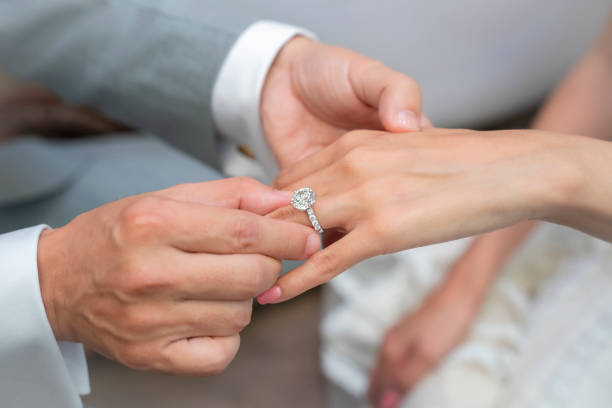
When considering a 14 karat gold diamond ring, understanding the factors that influence its price is essential for making an informed purchase. A 14 karat gold diamond ring can range significantly in cost depending on numerous variables such as diamond quality, ring craftsmanship, and market trends.
What Does 14 Karat Gold Mean?
Gold purity is measured in karats (K), with 24K being pure gold. A 14 karat gold alloy contains 58. 3% pure gold, with the remainder made up of other metals like copper, silver, or nickel. This blend not only makes the metal more durable than higher-karat gold but also helps keep costs lower without sacrificing beauty.
Key Benefits of 14K Gold:
– Durability:More resistant to scratches and wear compared to higher-karat options like 18K or 22K gold.
Affordability:Lower price point while maintaining a luxurious appearance.
Color Options:Available in yellow, white, and rose gold finishes to suit different preferences.
Cost Breakdown of a Typical 14 Karat Gold Diamond Ring
| Component | Approximate Price Range | Key Considerations |
|---|---|---|
| Diamond | $500 – $50,000+ | Influenced by carat size, cut quality, color grade (D-Z), and clarity. |
| Gold Band | $250 – $1,500 | Depends on weight (grams), design complexity, and finish. |
| Jewelry Craftsmanship | $100 – $2,000+ | Intricate designs or custom settings increase cost significantly. |
| Certification & Branding | $50 – $300 | Rings from premium brands or certified diamonds may have higher pricing. |
Factors That Add Value Beyond Materials
-
Handmade or custom-designed rings are often more expensive but offer unique designs tailored to individual preferences.
-
Rings featuring ethically sourced diamonds or recycled gold command higher prices due to their sustainability appeal.
-
High-end jewelers with strong reputations tend to charge premiums for their craftsmanship and branding.
- Halo settings or pavé accents can elevate the overall aesthetic but require more intricate work.
Tips for Understanding Value vs Cost
- Compare prices across multiple retailers while considering additional costs such as tax or shipping.
- Check certifications for your diamond (e. g. , GIA or AGS) to verify its authenticity and grading.
- Prioritize aspects that matter most to you—whether it’s carat size over intricate detailing or ethical sourcing over branding.
Key Factors Influencing the Price of 14 Karat Gold Diamond Rings at Jewelry Stores in Orange County CA
Below, we break down the key elements influencing these prices.
Cut, Clarity, Color, and Carat Weight.
- Clarity: This measures internal flaws (inclusions) or external imperfections (blemishes). The fewer inclusions, the higher the clarity grade — and cost.
| Diamond Attribute | Value Impact | Price Influence |
|---|---|---|
| Cut | High | Significant |
| Clarity | Medium | Moderate |
| Color | Medium | High for colorless stones |
| Carat Weight | High | Very Significant |
The term “14 karat” indicates that out of 24 parts of metal, 14 parts are pure gold while the remaining 10 parts are alloy metals like silver or copper. This blend enhances durability while maintaining a high gold content.
- Market Prices: The current market value of gold fluctuates daily based on global demand and supply.
- Durability vs Purity: While 18k gold contains more pure gold, 14k strikes a balance between durability and affordability.
For instance:
– A plain 14k gold band typically costs less than customized designs with intricate craftsmanship.
- Simple solitaire settings tend to be more affordable.
- Intricate designs with multiple diamonds or unique detailing increase production time and cost.
Custom-designed rings may also incur additional charges for consultation and crafting.
Certified diamonds—those accompanied by grading reports from trusted entities like GIA or AGS—are priced higher because they assure authenticity and quality standards.
Similarly: – Rings from high-end luxury brands command premium prices due to their reputation for craftsmanship. – Generic rings can offer better value without compromising quality if sourced carefully.
Summary Checklist for Buyers
- Assess your budget and prioritize between diamond size, quality, or intricate design features.
- Choose certified diamonds for authenticity assurance.
- Compare prices across retailers or consider custom options for unique styles.
- Understand how metal blends like alloys impact durability versus cost efficiency.
By considering these factors carefully, you can find a ring that balances beauty, value, and personal significance effectively—ensuring it becomes a cherished investment symbolizing your special commitment.
The Role of Metal in Pricing
- A 14 karat gold ring contains 58. 3% pure gold, combined with other alloys for durability and color variation.
-
While less expensive than 18 karat or 24 karat gold, it offers an excellent balance between cost, strength, and appearance.
- Yellow Gold: Classic and timeless, yellow gold is often slightly less expensive due to its traditional alloy mix.
- White Gold: Frequently higher in cost due to rhodium plating that adds shine and durability.
-
Rose Gold: Contains copper alloys, which may make it more affordable but equally stylish.
-
Durability vs Cost:
14k gold provides greater resistance to scratches and wear compared to higher karats like 18k or 22k, making it a practical yet elegant choice for engagement rings.
| Metal Type | Composition (Pure Gold %) | Durability | Cost Range |
|---|---|---|---|
| 14 Karat Gold | 58.3% | High | Moderate |
| 18 Karat Gold | 75% | Medium | Higher |
| Platinum | N/A | Very High | Significantly High |
-
Ideal cuts tend to command a premium price compared to good or fair cuts.
- Diamonds with fewer inclusions (blemishes) are more valuable.
-
For a balance between quality and affordability, consider diamonds graded “VS1” or “VS2” on the GIA clarity scale.
- The closer a diamond is to being colorless (grades D-F), the higher its price.
-
Slightly off-white diamonds (grades G-J) offer better value without sacrificing beauty when paired with yellow or rose gold settings.
- Larger carats increase costs exponentially rather than linearly.
- Opting for slightly below major milestones—like choosing a 0. 9-carat instead of a full carat—can save money without noticeable size differences.
The Impact of Combining Metal Choice & Diamond Quality
The interplay between metal type and diamond selection can significantly affect overall costs:
– Opting for white gold may complement colorless diamonds better but increases expenses due to rhodium plating upkeep. – Pairing near-colorless diamonds with rose or yellow gold can reduce costs without obvious differences in aesthetic appeal.
By carefully balancing both metal selection and diamond quality based on your preferences and budget, you can achieve an exquisite yet financially sensible engagement ring purchase that embodies timeless elegance.
The Role of 14 Karat Gold
Gold purity significantly influences the price of a ring. A 14 karat gold setting is made up of approximately 58. 3% pure gold, blended with other metals such as silver, copper, or zinc for durability. While it’s less expensive than higher-purity options like 18 karat or 24 karat gold, 14k gold is a popular choice for engagement rings due to its balance of affordability, durability, and beauty.
- Yellow Gold:Retains a classic look with its warm hue.
- White Gold:Achieved by alloying yellow gold with metals like nickel or palladium and often plated with rhodium for extra luster.
- Rose Gold:Contains more copper alloys, giving it a romantic pinkish tone.
Each color option has subtle cost variations based on market demand and metal composition.
Diamond Quality: The Four Cs
Each “C” plays a role in pricing.
-
Cut Quality:A well-cut diamond maximizes brilliance but may increase cost compared to diamonds with poor proportions.
-
Color Grade:Diamonds closer to colorless (graded D-F) command higher prices than those in lower ranges (G-J), though near-colorless diamonds often still appear stunning at lower cost.
-
Clarity Grade:Imperfections (inclusions) visible under magnification can reduce price significantly without affecting visual appeal to the naked eye.
*Prices vary depending on market trends and retailer markups.
Combining Metal Choice and Diamond Quality
- Opting for white or rose gold settings may slightly increase price due to additional processing or alloy materials.
- Pairing higher-purity diamonds (e. g. , flawless clarity or D-grade color) with moderately priced settings like yellow gold can help balance your total budget.
- Conversely, prioritizing intricate designs in the metal setting could make sense if you choose an affordable diamond option such as one under one carat or in the near-colorless range (G-H).
By strategically balancing these elements based on personal preference and financial considerations, you can achieve both quality craftsmanship and value within your desired range while creating a timeless piece perfect for any engagement moment.
How Lab-Grown Diamonds Are Changing the Game for Jewelers in Orange County CA
Lab-grown diamonds have emerged as a popular and cost-effective alternative to traditionally mined diamonds. Their growing popularity has shifted the dynamics of the engagement ring market, particularly for 14 karat gold diamond rings. Understanding how lab-grown diamonds impact pricing can help buyers make more informed decisions.
What Are Lab-Grown Diamonds?
Cost Comparison: Mined vs.
One of the most significant influences lab-grown diamonds have on engagement ring costs is their pricing structure.30-50% lessthan mined diamonds of the same carat weight, cut, clarity, and color.
| Diamond Type | 1-Carat Price Range | 2-Carat Price Range |
|---|---|---|
| Mined Diamond | $4,000 – $8,000 | $10,000 – $25,000 |
| Lab-Grown Diamond | $2,000 – $4,000 | $5,000 – $12,500 |
This cost difference makes lab-grown options particularly appealing for couples working within a budget while still seeking excellent quality.
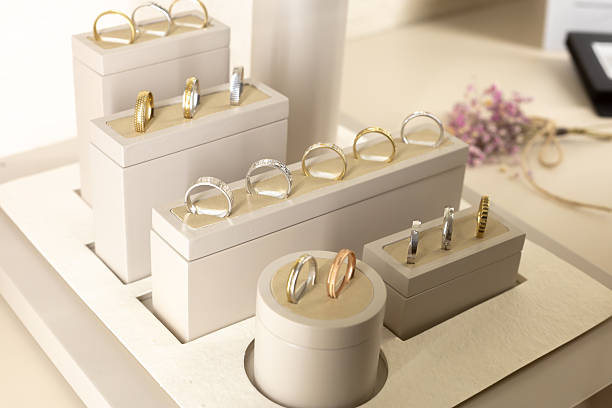
Benefits of Choosing Lab-Grown Diamonds
-
Affordability Without Sacrificing Quality
Buyers can often purchase larger or higher-quality stones at a similar price point when opting for lab-grown diamonds compared to mined ones. -
Ethical and Sustainable Sourcing
Lab-created options eliminate concerns surrounding conflict or “blood” diamonds and reduce the environmental impact associated with traditional mining practices. -
Customization Opportunities
Because they are often less expensive than mined stones, buyers may have more flexibility when designing custom engagement rings by reallocating budget savings toward intricate settings or unique designs in 14k gold. -
Certifications and Grading
Like natural diamonds, lab-grown varieties are graded by reputable gemology institutes such as IGI (International Gemological Institute) or GIA (Gemological Institute of America), ensuring transparency regarding quality.
How Lab-Grown Diamonds Affect 14 Karat Gold Ring Costs
For those considering a 14 karat gold setting—a popular choice due to its balance between durability and affordability—the inclusion of a lab-grown diamond can significantly lower overall costs without compromising on style or elegance.
- Lower Center Stone Cost:Since the diamond typically accounts for the largest portion of an engagement ring’s price tag, choosing a lab-grown option allows you to save money while maintaining visual impact.
- Reallocation of Budget:The savings from selecting a lab-created stone may allow you to upgrade your gold setting from basic designs to more intricate or customized styles.
- Market Trends:As demand for sustainable products grows, many jewelers now offer competitive pricing on complete 14k gold ring settings paired with lab-created stones.
Key Takeaways for Buyers:
- Compare prices between mined and lab-grown diamond options based on carat weight and quality.
- Research jewelers that specialize in ethically sourced materials or sustainable practices.
- Use savings from choosing a lab-grown diamond toward enhancements like pavé accents or personalized engravings on your ring band.
By considering these factors carefully during your search process, you can ensure that your final selection aligns with both your budgetary needs and personal values.
How Lab-Grown Diamonds Can Influence the Final Cost of Engagement Rings
Lab-grown diamonds have become an increasingly popular choice for engagement rings, offering a compelling alternative to traditional mined diamonds. These stones possess identical chemical, physical, and optical properties to natural diamonds but come at a significantly lower cost.
Advantages of Lab-Grown Diamonds in Engagement Rings
- Cost-Effectiveness
Lab-grown diamonds are often 20–40% less expensive than mined diamonds of comparable quality and size. - Choosing a more intricate or detailed 14k gold setting.
-
Opting for a larger or higher-grade diamond within the same budget.
-
Ethical Sourcing
For eco-conscious buyers or those seeking conflict-free stones, lab-grown options provide peace of mind without sacrificing quality. -
Availability of High-Quality Options
Cost Comparison: Mined vs Lab-Grown Diamonds
| Carat Size | Mined Diamond (Estimated Price) | Lab-Grown Diamond (Estimated Price) |
|---|---|---|
| 0.50 carats | $1,500 – $2,000 | $800 – $1,200 |
| 1.00 carats | $4,500 – $6,000 | $2,500 – $3,800 |
| 2.00 carats | $15,000 – $18,000 | $7,000 – $10,000 |
Note: Prices may vary based on market fluctuations and vendor.
Additional Considerations When Choosing Lab-Grown Diamonds
-
Resale Value
While lab-grown diamonds are stunning alternatives to natural diamonds at a reduced cost upfront, their resale value tends to be lower since they’re not as rare as mined stones. -
Customization Options
The money saved by choosing lab-grown can be redirected toward unique customizations such as: - Halo settings
- Multi-stone designs
-
Engravings on the band
-
Environmental Benefits
The production process for lab-created diamonds generally has a smaller environmental footprint compared to mining operations.
Pairing Lab-Grown Diamonds with 14 Karat Gold Settings
When paired with the classic appeal of 14 karat gold—a durable yet malleable blend containing approximately 58% pure gold—lab-grown diamonds shine brilliantly while keeping costs manageable. Buyers can choose from various gold tones: – Yellow Gold: Traditional and timeless. – White Gold: Sleek and contemporary. – Rose Gold: Romantic with a vintage charm.
The combination balances affordability and elegance without compromising durability or style.
Lab-grown diamonds represent an innovative way to create stunning engagement rings at more accessible price points while maintaining high quality and ethical standards.
- The Expert Guide for Finding Jewelers in Orange County CA for a 3 Carat Diamond Engagement Ring
- Guide to 14 Karat Gold Diamond Rings: Understanding Costs and Value of Jewelry in Orange County CA
- How Much Does an Engagement Ring Cost: A Guide by Jewelers in Orange County CA to Making the Right Purchase
- The Essential Guide for Couples: How Jewelers in Orange County CA Can Help You Choose the Perfect Engagement Ring
- The Ultimate Guide to Jewelry in Orange County CA: Engagement Ring Prices in 2026
- Ultimate Guide to Buying the Perfect Engagement Ring from Jewelers in Orange County CA